

4 – Sound Tactics: Disruption then Assault
After experiencing games like the WDS and Campaign Series, it’s difficult to go back to Panzer General-style games. While it was once fun to just bombard and demoralize units to weaken them before charging, once I got a taste of the John Tiller system, it no longer felt realistic to assault a non-disrupted unit, even at an operational level.
I love being able to stop an entire wave of enemy soldiers without having to completely destroy them. This mechanic captures the fact that the bulk of warfare is psychological, and the John Tiller system executes this perfectly.
I believe one series that would benefit tremendously from this mechanic is Every Single Soldier, a brilliant collection of counter-insurgency (COIN) games, including titles like Vietnam ’65 and Northern Ireland ’72. The developer is a veteran of the Angolan War, so the games are very personal and informed by firsthand knowledge. However, adding deeper tactical mechanics—like disruption and assault—would transform these already interesting games into the gold standard for the genre, even with their low-budget graphics. The only newer, non-squad game that has experimented with a similar approach is Total Tank Generals, a game I feel was unfortunately overlooked by most reviewers.
3 – Amazing Unit Graphics
Many veteran wargamers swear by NATO counters, arguing they are the best way to understand a battle at the operational or strategic level. While I appreciate their utility, I don’t think they’re enough. As a war veteran who studies military history but didn’t grow up playing board games, I find NATO counters can be difficult to read. Today’s wargamers are often introduced to the genre through titles like Total War, Company of Heroes, Civilization, and Panzer Corps, where units are visually represented. For us, NATO counters just look like abstract boxes.
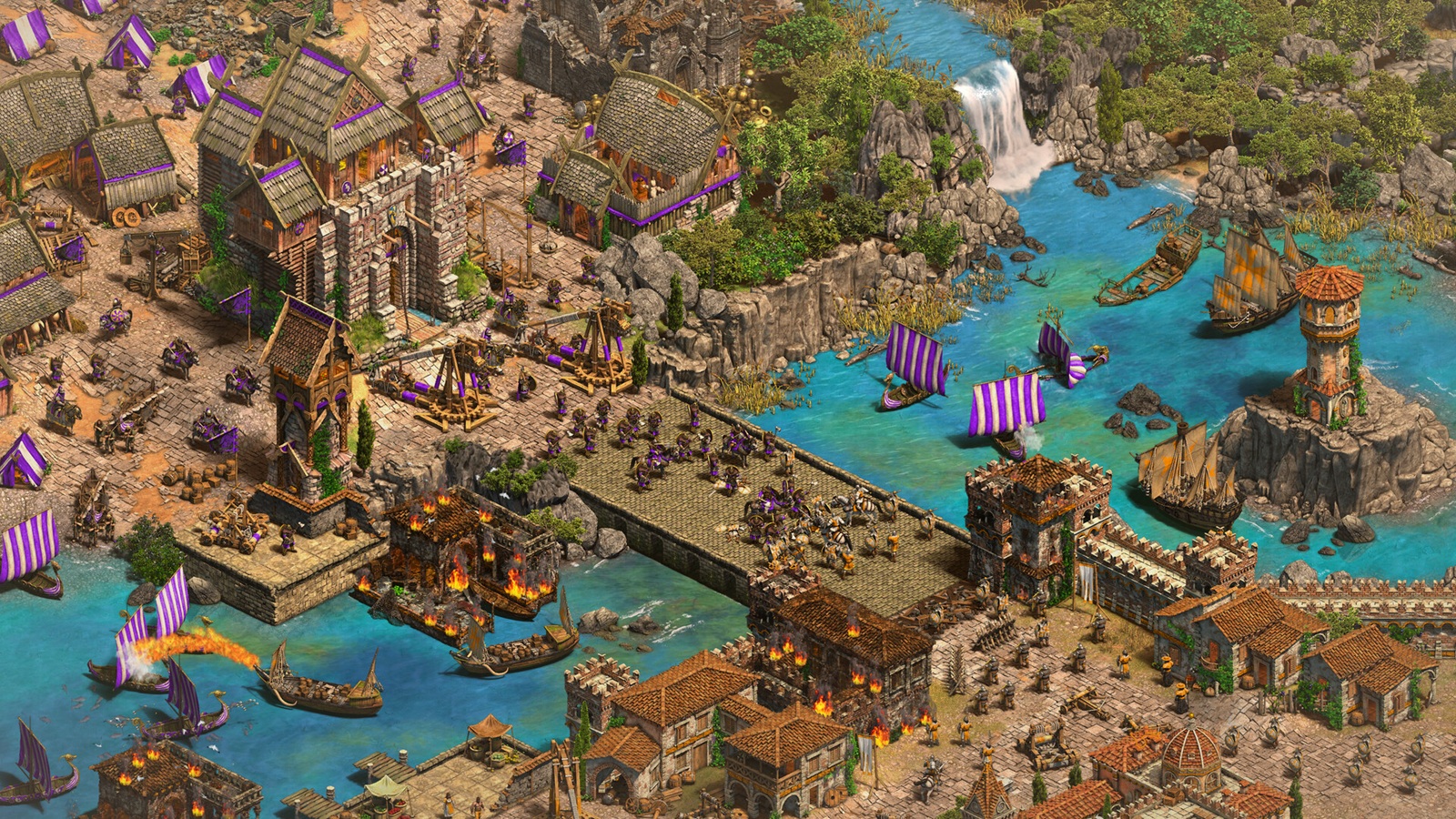
This is why I love the approach taken by games like the WDS and Campaign Series. I often use the 2D mode to get a broad view of the battlefield, but when I execute a glorious attack, I zoom in to the 3D mode for a more immersive experience. WDS: Few and Proud and Campaign Series: Vietnam do this exceptionally well. I particularly appreciate that the Campaign Series even makes the 2D units move with directional accuracy, showing that the developers understand what players like me want.
Unfortunately, some developers don’t prioritize unit graphics, either leaving the task to modders or creating lazy, black silhouettes that do nothing for the game’s presentation. They seem to add these only to check a box, saying they have an alternative to NATO counters.
This dedication to improving unit graphics is why I’ve come to love the WDS and Campaign Series. Their developers are committed to constantly updating and perfecting their games, taking the long-term approach to building a loyal fanbase. I just hope that in the newer Campaign series, the info unit boxes get some of the same graphic love.
2 – Clear Cut and Short Tutorials
Tutorials in many wargames often create an unnecessary barrier to entry. It’s frustrating when a tutorial doesn’t tell you that you’ve broken the sequence, or, worse, tells you but offers no way to backtrack, forcing you to start over. This kind of experience can discourage new players from wanting to engage with a game. I think games like Carriers at War, the Strategic Mind series, War on the Sea, the Total War series, and the Civilization series handle this brilliantly. They offer fantastic tutorials that gently guide you through the core mechanics. These tutorials are very forgiving—they make it easy to correct a mistake without having to restart. This hand-holding approach is perfect for casual players and makes it simple for anyone to jump in and understand the game.
I’ve spent years trying to get through some wargame tutorials, only to get frustrated and quit, sometimes coming back months later. While some might blame a lack of patience or experience, as a huge fan of John Tiller/WDS games, I believe the fault lies with the developers for not creating clearer, less frustrating tutorials. Perhaps they’re trying to cultivate a devoted fanbase, forcing players to learn the mechanics the hard way—like a Dark Souls approach or even an IKEA business model. However, I see this as a significant barrier to entry that prevents new players from getting immersed in the game and ultimately hurts future sales.
I think Warplan hits a sweet spot with its video tutorials. They prove that video tutorials should be short and to the point. When you make a tutorial video longer than five minutes, you risk overloading gamers like me who have a low attention span.




Leave a Reply