

All Wargames Must Have These 10 Features!
Are you a fan of strategy games but feel that many modern titles sacrifice depth for simplified mechanics? You’re not alone. While abstracted elements can make a game more accessible, they often leave players feeling unengaged in long, drawn-out scenarios. For a new wargame to succeed in today’s competitive niche market, it needs to offer more than just a surface-level experience. It needs mechanics that reward long-term strategy and provide lasting replayability.
Here is my list of must-have features for any up-and-coming war game looking to captivate a dedicated audience.
10 – Random Battle Generators
I understand that many wargames exist to let you play out historical battles as accurately as possible—putting you in the shoes of Rommel or Napoleon. That’s the main appeal for many players. However, this becomes an issue when gamers have been playing the same historical scenarios for 20 years and know every inch of the terrain and every order of battle (OOBs) by heart. To truly challenge these players, games need to introduce the element of randomness that real generals faced on the battlefield.
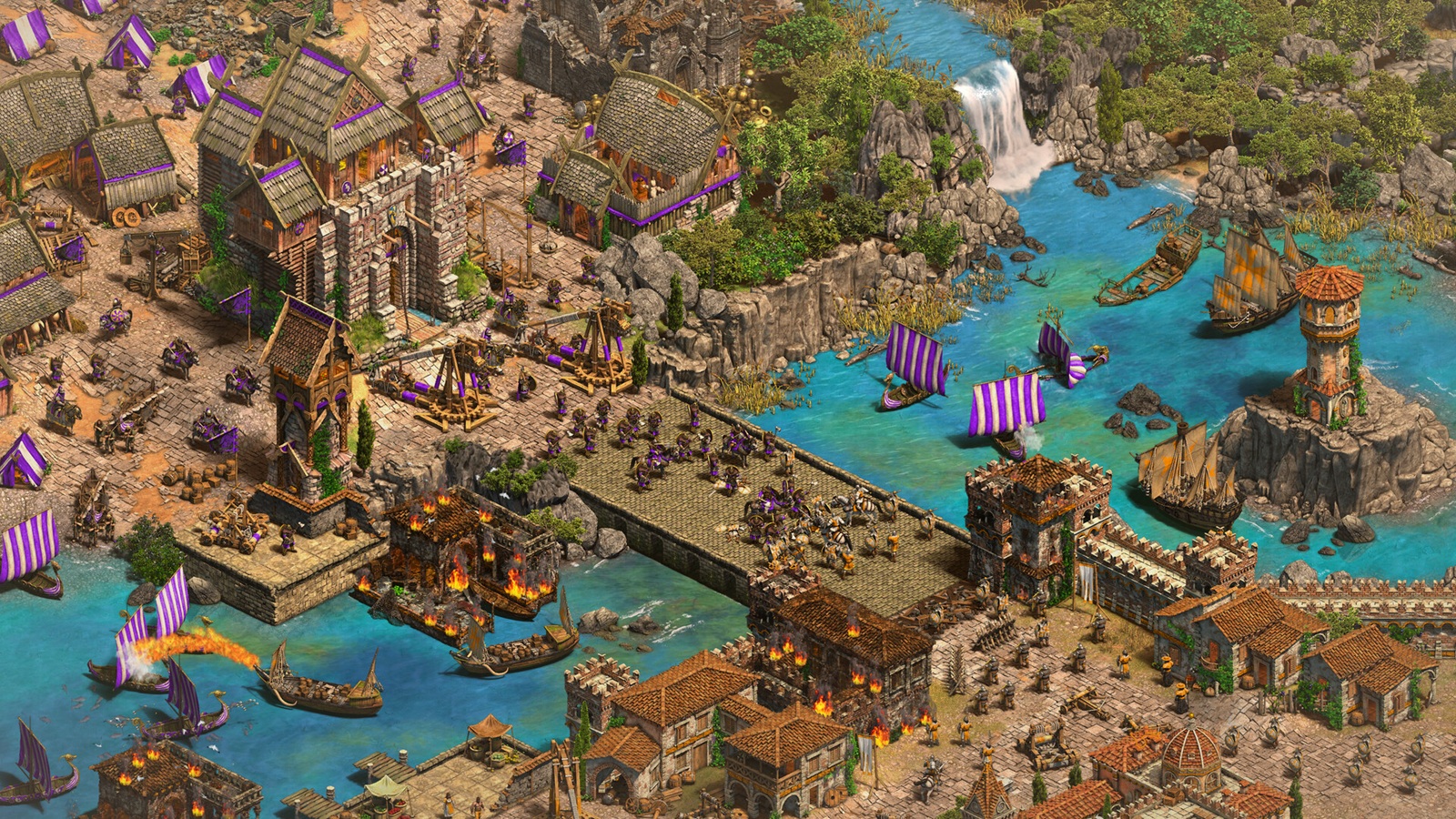
I remember playing games with random terrain generators in the ’90s, like the Age of Empires series, which kept things fresh and constantly shrouded in a state of fog of war. The only modern game I can think of that truly masters this is VR Designs’ Advanced Tactics Gold, which is the undisputed king of the wargame sandbox.
While I get that developers make their living by creating authentic scenarios and DLCs, I believe that adding an element of randomness could seriously spice up the competitive scene and challenge players who rely on memorizing scenarios.
9 – Customizable Key Bindings
It’s surprising how few developers allow you to rebind your keyboard. This is especially frustrating when games within the same series have different default key bindings, forcing you to relearn controls. Now that I’m in my 40s and my back and posture are a mess, using WASD controls is more important than ever. It’s baffling that some developers still want us to use key layouts from the 1990s.
A game like Age of Empires 4 is a great example of one that offers complete freedom to rebind your keys. The Command & Conquer Remaster also has generous layouts. I don’t understand why coding something like this seems to be such a massive undertaking for some studios.
8 – We Need More Obscure Conflicts
We all love the big, epic conflicts like World War I, World War II, the Roman Civil War, and the Napoleonic Wars. They will be depicted in games until the end of time. The problem is that we are now oversaturated with these major conflicts, and many other fascinating historical battles deserve to be depicted.
I have to give a shout-out to Avalon Hill, who were kings of bringing obscure battles to the computer screen. You can play their games from the series War Across the World and dive into unconventional conflicts like the Soccer War between Honduras and El Salvador. You can even touch on Che Guevera’s campaign in the Congo, which includes controversial mechanics like recruiting child soldiers and taking hostages. While I’m not sure how historically accurate that specific detail is, it certainly highlights the difficult fighting methods of African rebels in the post-WWII era.
TrickySoft LLC’s The Operational Art of War 4 also features huge scenarios in untapped conflicts like Operation Iraqi Freedom and the Sino-Soviet War. Even hypothetical conflicts like Kashmir ’99 deserve a mention. And of course, WINSPMBT from Shrapnel Games has everything you can think of.
Jason Pethros’s Campaign Series: Middle East includes some obscure conflicts, like missions from the Algerian Revolution. Graviteam Tactics: Mius Front has the Iran-Iraq War and some Rhodesian missions. The Every Single Soldier series has been depicting conflicts in Angola, Ireland, and soon Rhodesia.
Besides these outstanding examples, not many developers are willing to go against the grain, especially not the big publishers.




Leave a Reply