

3 – The Katana Is The Best Sword Ever
This is probably one of the most stupid historical myths of all time. Sometimes, during the early days of the internet, a sort of cult developed around the katana, the famous japanese sword which earned a reputation for its lethality, due to it’s curved edge and unmatched sharpness, capable of slicing through anything, effortlessly, while keeping its edge and being unbreakable, because it’s Tamahagane steel was folded thousands of times. To make it even more legendary, comparisons of the “finely crafted” katanas to the “rough” and “primitive” European medieval swords were often made as a sign of apparent superiority, with the sophisticated Japanese blacksmith being a master at their craft, while the Europeans were just clumsy morons incapable of creating such high-quality weaponry.
This widespread gaming myth stems from a blend of pop culture romanticism and a lack of historical context, inaccurately elevating the Japanese sword above all other blades and misrepresenting its true capabilities and historical role.
Historically, the katana was a formidable and expertly crafted weapon, perfectly suited to the specific fighting styles and armored opponents of feudal Japan. However, it was not inherently “better” than European longswords, sabers, or other historical blades; rather, it was different, designed for a distinct combat philosophy. Its famous sharpness came at the cost of durability, making it more prone to chipping or breaking against harder targets compared to the robust, thrust-oriented designs of many Western swords. The idea of the katana as an all-conquering, indestructible blade is a historical inaccuracy largely perpetuated by the media. In fact, just one look at comparing some of the best-crafted swords in Medieval and Modern Europe will prove this point extremely quickly. It’s still a very fun myth, and one I don’t mind indulging in from time to time.
2 – It’s Easy To Flank Your Enemy
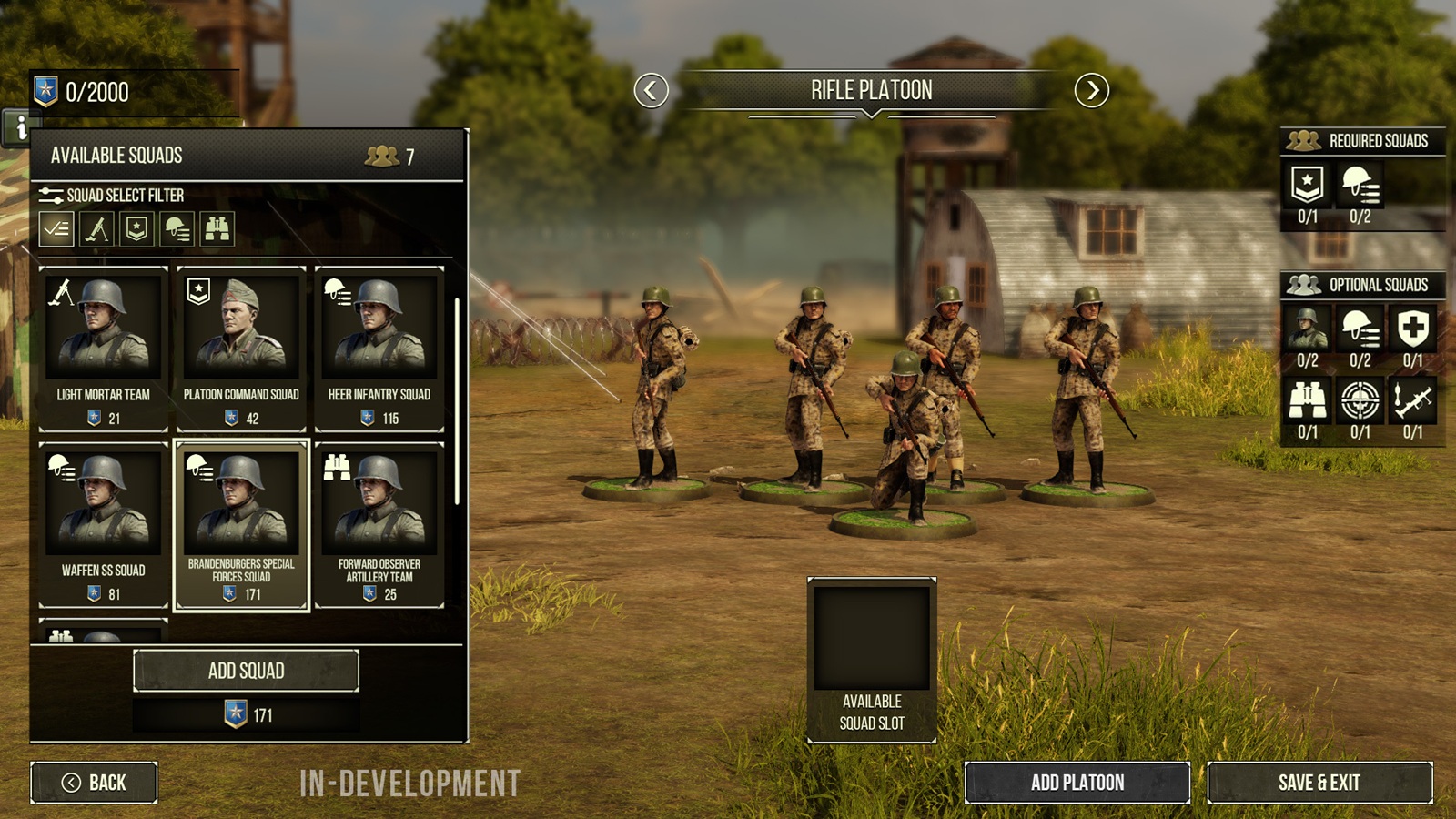
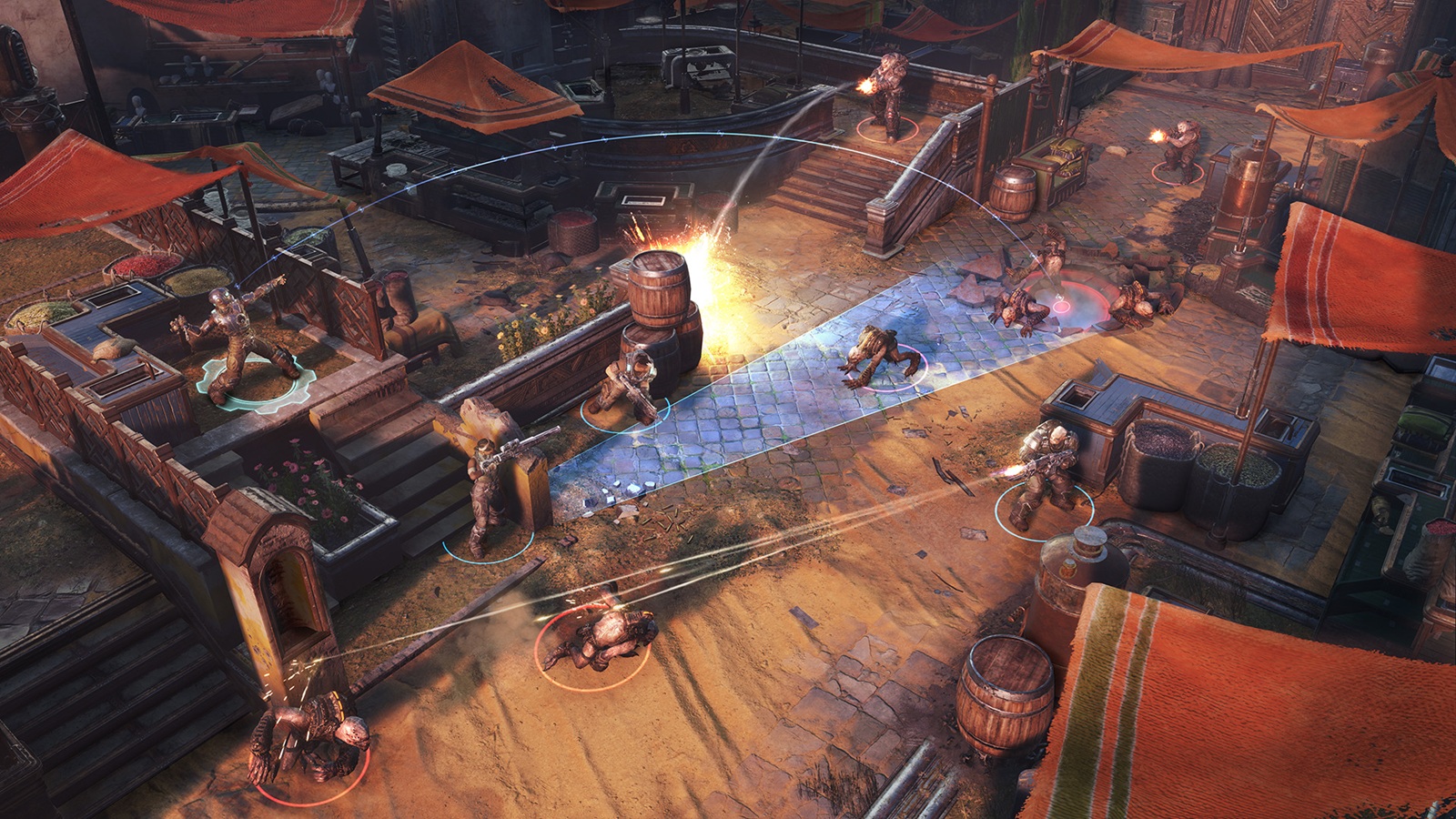
Remember the whole thing about how hard it is to communicate on the battlefield? Do not try and do that at an army level, and try to coordinate thousands of soldiers into performing a complicated maneuver, such as a flank, and have it be successful. All games, even more historically accurate wargames like the Wargame Design Studios and even Mius Front and Gary Grigsby’s, make flanking maneuvers seem remarkably straightforward. With all the information available at a glance, it’s easy for players to often, and rather effortlessly, circle around enemy positions, whether AI or human, to strike from an unprotected side, or time a strike just enough that it catches the enemy off guard for a moment and it’s enough to send the whole line crumbling. This common gaming myth dramatically simplifies the complex realities of historical warfare, creating an unrealistic expectation of tactical ease. In games, the path to a critical rear or side attack often appears clear and unobstructed, enabling quick and decisive engagements that seldom reflect the immense challenges faced by commanders and soldiers attempting similar feats historically.
Historically, executing a successful flanking maneuver was one of the most difficult and high-risk operations in warfare, regardless of the era. It required meticulous planning, precise timing, excellent communication (as discussed previously!), detailed knowledge of the terrain, and often numerical superiority to draw the enemy’s attention, and more importantly, that all of the plan went according to plan, and that no one missed their cues to act or was found out beforehand. Factors like unexpected terrain features, enemy scouts, ambushes, unseen reserves, and the sheer logistical challenge of moving large forces undetected over distance made flanking attempts incredibly perilous. Think about it like this: if you have all the necessary prerequisites to perform a successful flank, such as knowledge and superiority in numbers, wouldn’t you rather use that superiority to fight the enemy head-on?
1 – All Fights Were To The Death
Real-life battles certainly were no battle royale, where the last man standing would win. In fact, it was quite the opposite, and a look at archeological evidence of battle sites shows us that casualties in battle were relatively minor, with estimates ranging between 5% to 20%. Usually, that would be enough to have one army or another break ranks and flee. In fact, most of the deaths in a battle occurred during this phase, when lines got disorganized and chaos reigned, cavalry would usually cut down any stragglers it could.
Historically, while lethal force was certainly a reality of combat, the primary goal was often not simply to kill every opponent. Objectives frequently included capturing territory, seizing resources, routing an enemy, or taking prisoners for ransom, intelligence, or labor. Incapacitation, disarming, or forcing a surrender were often more desirable outcomes than a death toll, as they conserved resources, provided valuable assets, or simply allowed for a more efficient conclusion to an engagement. In fact, sometimes the surrendering of a force was the preferable option, especially if the fighting force was surrounded, and the probably of fighting to the death was actually a thing, because it gave the enemy an incentive to save themselves, and gave your forces the ease of mind of not having to endure a grueling, extended fight that could end up with a lot of your own men getting killed.
Beyond the Screen: Why Historical Accuracy in Games Matters
This is the first of, hopefully, several historically minded articles relating historical facts with video games and media in general, as I try to branch out some of my content to other areas of interest to me and my audience. Now that we have journeyed through these top 10 historical myths, it’s clear that while games offer unparalleled entertainment, they also carry a significant responsibility in shaping our understanding of the past. The perpetuation of concepts like “invincible armor” or “fights to the death” might enhance gameplay, but it often sacrifices the rich, complex, and often more nuanced realities of history.
Support Strategy and Wargaming
I do what I do in Strategy and Wargaming because I love to do this, and I’m never going to stop. If you would like to support me with that, you can buy me a coffee for a dollar if you’re feeling generous. If you can’t, no worries, Strategy and Wargaming will always be free, and I’d love to have you around!


Leave a Reply