

6 – Battle Sizes and Lengths
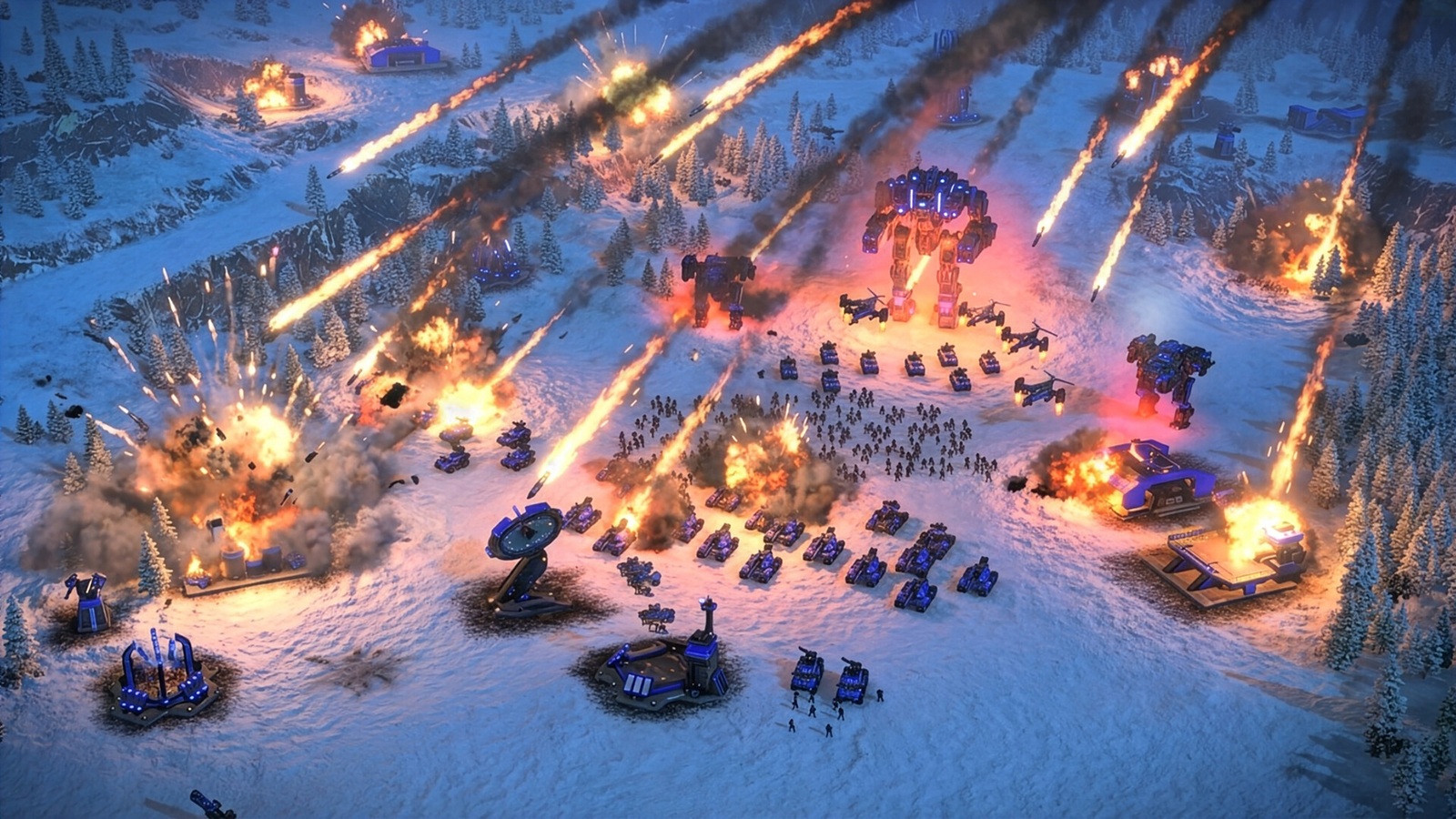
Video games frequently take liberties when it comes to the scale and duration of historical battles. Historical shooters and strategy games tend to make battles a lot a lot shorter than they were in real-life, which is, of course, understandable, because, as someone famously said “war is 90% boredom and 10% horror”, and the last thing game designers want is to have players standing around and doing nothing for most of the time. In stark contrast, the scale of the battles themselves tends to be all over the place, with massive battles often being represented as small-scale affairs, while others, more limited skirmishes in reality, are amplified for dramatic purposes. A perfect example of this is Medieval II: Total War, where every battle averages on the thousands of units, while, for the most part, medieval battles would usually feature a couple hundred to, at most, a couple thousand, except for rare occasions. Even in the famous Battle of Agincourt, the English army only averaged around 7.000 men.
Many decisive engagements, particularly before the 20th century, were over within a few hours, sometimes even minutes, once a critical breakthrough or rout occurred. Even “long” battles were often a series of skirmishes, maneuvers, and pauses over days, rather than continuous, direct combat. While some rare conflicts, like the Battle of Verdun or the Somme, stretched for months, these were protracted campaigns of attrition, not single, uninterrupted battles. Furthermore, the number of combatants directly engaged in a single, simultaneous clash was often much smaller than the hundreds of thousands or millions implied by games.
5 – You Can Communicate Clearly And Give Orders Clearly
I always find it funny when I listen to historians criticizing the lack of communication in a given military operation, no matter how large or small, and I usually counter it with “Can you get 5 of your friends to do exactly what you told them for an hour? Most likely, you cannot. Now do that while everyone is shouting, scared, fighting for their lives, arrows and bullets are flying, and you’re in mortal danger”. Usually, that is enough to convince them of the error of their ways. One thing most video games are absolutely guilty of doing is allowing for flawless coordination without having to worry about your pixel-troops not following your orders (I know there are some exceptions to this in wargames). With the player acting as the all-powerful hand of God in almost every real-time strategy (RTS) game out there, it’s easy to set up the most complicated of tactics and execute them to perfection at the click of the mouse. In reality, communication is a historically complex and often frustrating aspect of warfare, and games create an unrealistic sense of control and coordination that was impossible in a time where the best you had was a guy running as fast as he could, and you better pray to God he didn’t get killed, lost, or captured by the enemy.
Historically, effective communication on a battlefield was an immense challenge, often relying on runners, flags, trumpets, drums, or, later, unreliable field telephones and radios prone to static and interception. Factors like the din of combat, smoke, dust, rough terrain, and sheer distance made direct verbal communication nearly impossible beyond a few feet. Orders frequently became garbled, misinterpreted, or simply never reached their intended recipients, leading to confusion, delays, and strategic breakdowns.
4 – Medieval Armor Was Useless
One of my personal favorites! The idea that medieval armor was useless and easy to beat if you just slash at it hard enough. We frequently see knights clanking around, slow and vulnerable, with swords effortlessly slicing through steel or arrows, cleanly punching through breastplates. This widespread movie and gaming trope prioritizes dramatic visuals over historical fact, leading players to believe that medieval combatants were practically naked against even basic attacks, fundamentally misunderstanding a peak of defensive engineering.
Historically, an armored knight was an incredibly effective and highly trained weapon of destruction, which was nearly impossible to kill unless caught off guard or at a significant disadvantage. Reading medieval chronicles leads one to realize that medieval knights were usually killed by being overpowered and having a weapon wedged between the gaps of their armor. More often than not, their demise would come from the physical exertion of having to fight in what was essentially a tailor-made cooking pot, and there are several accounts of people just dying of stroke or heart attacks. In the case they were taken down, they would most likely be captured, rather than killed, not only because of ransom money, but because it was a lot easier to drag an exhausted men and deal with the problem later, than to try and kill it right there and then. Massive props to a game like Kingdom Come: Deliverance, which actually tries to do things right in this regard.




Leave a Reply