10 Famous Historical Myths Perpetuated by Strategy Games

7 – Fire Arrows Everywhere

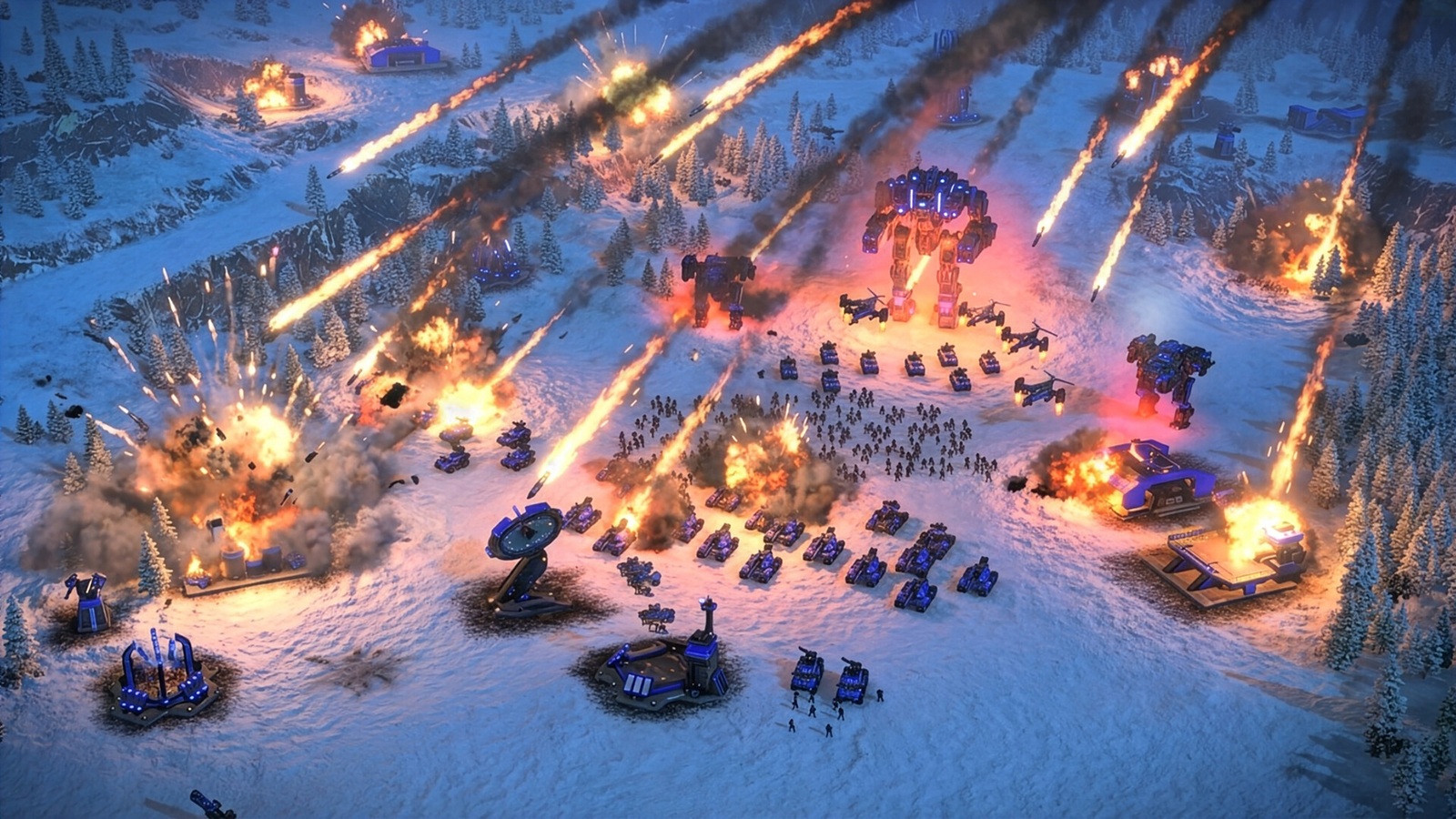
Total War: Rome screenshot with fire arrows

Give me a strategy game where archers are a thing, and there’s almost a 100% chance that there’s a sort of passive or active ability that will allow them to use fire arrows as a way to deal “extra damage”, as if getting skewered by a nasty piece of metal being shot straight at you didn’t deal enough damage. Archers in games constantly use flaming arrows to do a bit of everything: from blowing up barrels, dealing passive damage over time, and extra damage to builds (this one actually makes a bit of sense). Historically, fire arrows were a thing, but they were finicky and aerodynamically terrible. If you shot one, the wind would likely blow the flame out before it hit, or the weight of the pitch would make it fall short. In reality, and unfortunately for those of us who enjoy the spectacle, the usage of fire arrows in battle is just a myth.

6 – Medieval Siege Weapons Easily Destroyed Walls

Games often show medieval siege engines like trebuchets and catapults effortlessly smashing through massive stone walls, but this is largely a modern exaggeration for gameplay purposes. In reality, most fortifications were designed to withstand prolonged bombardment, and siege weapons were far more effective at damaging parapets, towers, gates, structures inside the walls, and the defenders’ morale than outright collapsing at the walls. Stand atop a fortress or castle wall, and you’ll see how thick and well-built most of them actually are, and how destroying it would require hundreds, if not thousands, of precise hits on the same location to damage the wall. Starvation, disease, bribery, and betrayal were usually more decisive than brute force, with successful sieges often lasting months rather than ending in spectacular destruction. With that being said, I won’t even get on the fact that in most games you can also use melee weapons to destroy walls!

5 – Ancient Battles Were Chaotic, Unorganized Brawls

Strategy and Wargmaing News - 21st March - Age of Empires 2 Biggest Update, Star Wars Turn-Based Strategy, Endless Legend 2

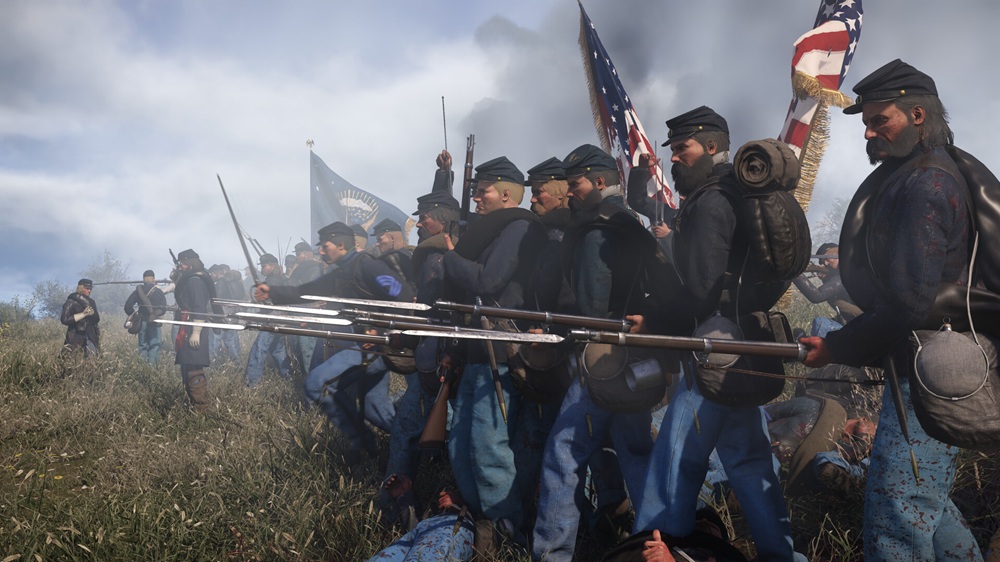
This one is a pet peeve of mine, because more often than not, historical games frequently portray ancient battles as messy, free-for-all melees where formations instantly collapse into individual duels, reinforcing the myth that combat lacked structure or discipline once swords and spears crossed on the frontlines. In reality, ancient warfare relied heavily on organization, formations, command hierarchy, and coordinated movement. Shield walls, pike blocks, cavalry charges, bayonet charges, musket lines, flanking maneuvers, the management of reserves, and pre-planned tactics were central to battlefield success, and commanders worked hard to maintain cohesion under extreme pressure, sometimes putting their lives on the line to inspire and control their men. While chaos certainly emerged once lines broke, and no battleline ever stayed perfectly intact, most of the time, soldiers would rather stay within the safety of their lines, instead of being a hero.

Pages: 1 2 3 4

14 responses to “10 Famous Historical Myths Perpetuated by Strategy Games”

  1. Just a heads up, check the spelling on #4 title. “Gunpowder”

  2. FYI Stronghold got that idea from the original Castles game. I’m sure they got it from something else before that, though.

  3. Trebuchets and other siege engines in field battles. Unless it’s the Romans, siege engines would rarely ever be used due to how long it took to assemble and reload them. One of my major annoyances with total war, they should be restricted to constructable siege equipment. Also heated sand was very common as a siege defence weapon, especially in the middle east, very nasty and almost a limitless resource!

  4. Protracted Cavalry melee combat. Cavalry was a shock weapon not a melee one, just like you mention with the bayonets, it was mostly the psychological factor that gave horsemen the the advantage. They would crash into broken units and cause tremendous damage, but any formation keeping it’s ground until the end would cause an automatic break of the charge. It was a mental game to see who would break first, discipline and drill/maneuverability were key. This was valid both vs infantry and other cavalry.

  5. AI slop, only 7 items listed.

    1. I just counted all the items, and I’m sure there are 10 of them.

    2. Your comment reads like it was written by an AI…

    3. The link I followed to get here brought me in at page 2. I suspect you did the same, but we’re too dim to notice.

  6. Orders are received instantly and understood perfectly…

  7. More of an issue with movies and games like action RPGs (not strategy games so much), but I have two major gripes: 1.) Characters not wearing helmets, and. 2.) No one gets wounded. If you’re hit, you’re dead. In the American Civil War and before, wounded-to-killed ratios in battle were commonly 4-5:1. In WW1 & WW2, it lowered slightly to 2-3:1. In modern warfare, with advances in body armor, it’s back up to 4-5:1.

    As for strategy games, it’s always driven me crazy that they rarely factor in advantages from elevation, and weather effects are almost never accounted for either. Both of those things play MASSIVE roles in battlefield tactics and strategies, especially in battles set in times before the proliferation of air power.

  8. Been watching the old Sharpe series based on the books by Cornwall and really gives good examples of the realities you mention like the French throwing bales of burning straw down from walls. no oil in site. And the confusion of command…looking at you silly Billy. Also its a great show to get you amped for the upcoming napoleanic game by that 7 years war/civil war dev Oliver Keppelmüller.

  9. Bernie Brightman Avatar
    Bernie Brightman

    Guess what: hardly anyone’s playing medieval war games. It’s all WW2 and a little Napoleonics, so relevance?

  10. […] the recent success of my 10 famous historical myths list, and with over 25 years of experience playing history-related titles under my belt, I wanted to […]

Leave a Reply

Trending

Discover more from Strategy and Wargaming

Subscribe now to keep reading and get access to the full archive.

Continue reading

Discover more from Strategy and Wargaming

Subscribe now to keep reading and get access to the full archive.

Continue reading