
Having fun is often synonymous with winning, but it shouldn’t be. Not always, anyway. Most of the games are indeed designed with some sort of victory condition. Go there and capture that town square. Fight the enemy at that location and rout them. Save a member of a royal family. Gather a certain amount of resources. Achieving that means winning, and winning means moving forward. What if I told you that there are games that do not care if you win or lose? In fact, they’re designed to try their hardest to make you lose. They’re also designed to allow you to have fun while everything goes downhill. Let’s have a look at the best strategy games where losing is part of the fun!
Dwarf Fortress

Naturally, we have to start with the best of the best. Dwarf Fortress is the game where the gaming phrase “Losing is fun!” literally came from. This is a game that isn’t designed like a traditional title with clear victory conditions or objectives to fulfill and progress forward with the story. Dwarf Fortress is essentially a story engine that so happens to be powered by one of the most absurdly detailed simulations ever made.
Things are always, always going to go bad with DF. Not because the game is designed for that, but because the number of moving parts the game has means that sometime, somehow, somewhere, something will break. Maybe one of your dwarves had one of its fingers broken while working, and they’re not doing their job effectively. If that job just so happens to be crucial to avoid a lava flood, then you know what’s going to happen. Sometimes things just go bad, because the creatures inhabiting your world might just decide that they don’t fancy you all that much and crush you before your crumbling mine under the pressure of an aquifer does.
There are thousands of Dwarf Fortress players sharing the most insane stories online about how the demise of their colonies came about. From a simple well that just flooded an entire base when a river rushed towards it, to complete base cave-ins, or even a simple zombie jumping through a forgotten hole on the other side of the colony.
RimWorld

RimWorld is directly inspired by Dwarf Fortress in all but name, and it translates that deep simulation concept into a sci-fi story generator that has a tighter focus on individual characters, a more accessible UI and graphics, and more engaging combat.
The concept is sort of the same: You manage a small group of crash-landed colonists on a lawless planet. You have to build shelter, farm crops, research technology, and defend against pirates and nature alike. However, the game puts a ton of emphasis on the physical and psychological needs of each colonist, and not all of them are good. In fact, some are outright bad, like having a slothful colonist who really doesn’t want to work, a gourmand who might decide to have 30 meals in a row, or a pyromaniac who… you know, does play around with fire. Sometimes your base just so happens to be the target of their fixation.
Unlike Dwarf Fortress, RimWorld does give players some directions and one great objective: to leave the planet they’re stranded on. It’s only a matter of making sure that trigger-happy colonist doesn’t have a mental breakdown because one of the table’s legs isn’t to his liking.
Crusader Kings III

I’m pretty sure you have got to have heard about Crusader Kings III. You know, that small indie title from that indie company called Paradox Interactive about medieval-age shenanigans. You see, unlike Dwarf Fortress or RimWorld, in CK3 you don’t lose when your castle explodes because a cat brushed up against a barrel of wine that was a bit too close to a candle. In Crusader Kings III, things come to an end only when your bloodline goes extinct.
You roleplay as a single historical ruler, and when your character dies, whether from old age, a battle, a duel, or the hidden blade of an assassin, you take immediate control of your primary heir, continuing the family line. Imagine the first seasons of Game of Thrones. Most of your game is spent plotting, scheming, and advancing your grand plan, but things don’t always go your way.
Maybe that assassination attempt didn’t succeed, or maybe the war didn’t go as well as you were hoping for, and now you find yourself surrounded by angry nobles who look at you like a liability, and they would rather bet their chips on the usurper. Maybe all that went wrong is that your king just hit his head a bit too hard in the latest tournament and is now going insane and has turned his court into a bizarre cult. Or your king died, and now you’ve inherited the kingdom, but all your 7 brothers want a piece of the pie too! Well, there’s also the fact that you might not be too familiar with the way medieval inheritance laws work, and now you have just passed down your kingdom to a rival dynasty.
Frostpunk

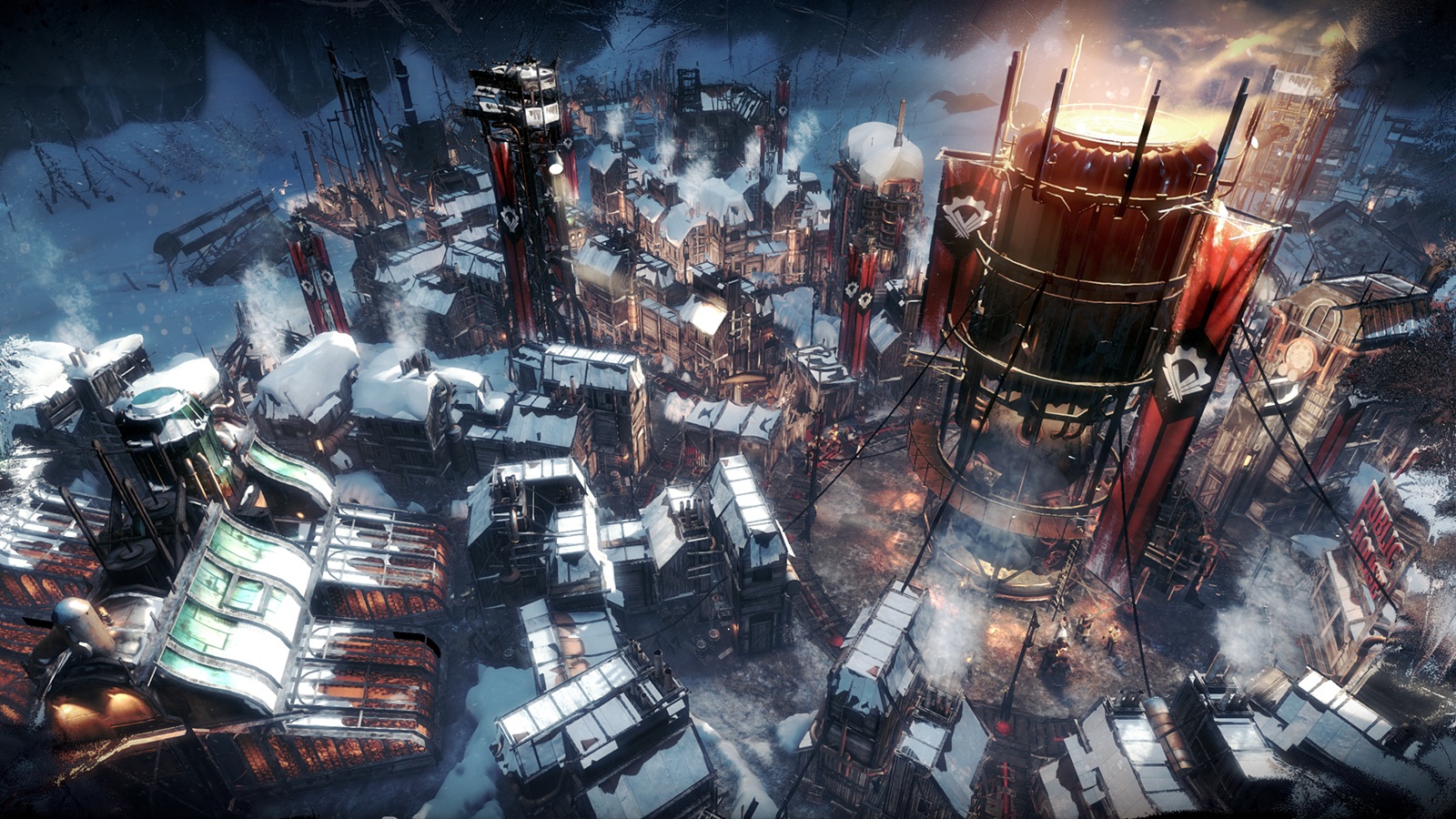
All three previous games on this list had a very unserious tone to them. Frostpunk does not. In fact, Frostpunk has got to be one of the most serious strategy games ever released. The game takes the survival and management aspects of other similar games and strips away the open-ended sandbox to deliver a high-stress, narrative-driven crisis simulator set in a frozen, post-apocalyptic 19th century where things will go wrong.
A survival city-builder at heart, the game will have players managing heat grids, medical care, food rations, and raw materials. In essence, the biggest enemy in the game is nature, and as the weather worsens, the harder the choices you have to make as the infrastructure starts to degrade. Desperation might lead you to decide that child labor isn’t that bad a thing if it means that keeping them inside will result in not having enough coal for everybody, even if a couple of them might freeze. Well, what about sawdust in your soup? Hard choices indeed. Do pick this one up if you’re looking for a campaign experience.
Darkest Dungeon

There was a time in Strategy and Wargaming when Darkest Dungeon would be a regular appearance in my articles and recommendations. Let’s bring that back, because the whole “managing heroes who are mentally unravelling under stress” thing was popularized by its massive success. Faced with overwhelming odds, fighting indescribable Lovecraftian creatures, and with death just around every dungeon corner, Darkest Dungeon is a harsh mistress that will have you clenching fists and gnashing teeth in stress as you watch in despair as your favorite party of heroes you’ve spent the last 8 hours building is wiped out due to a wrong move.
Hard by nature, Darkest Dungeon’s stress meter makes players deal with more than just health points. Let the meter reach the halfway point, and your heroes will start to suffer from mental crises, causing them to gain afflictions and become paranoid, masochistic, or even downright abusive. They might even gain a virtue, but those buffs are rare. Let the stress meter reach its limits, and they’ll suffer a massive heart attack, bringing them to the brink of death immediately.
Darkest Dungeon is one of those games where all the fun lies in its high-stakes nature and the possibility that every mission can spell the doom of your party. Heroes are supposed to be disposable, yes, but that doesn’t mean that losing that overpowered Crusader that has been with you since day one hurts less.
Are You Ready To Lose And Have Fun At The Same Time?
Every game on this list, from the relentless cold of Frostpunk to the mental breakdowns of RimWorld and Darkest Dungeon, shares one golden thread: losing is where the best stories to tell your friends are born. Victory can feel satisfying, but catastrophe is what you actually remember: The last-ditch stand, the hilarious series of bad decisions, or the unscripted drama of a plan falling apart spectacularly. Embrace failure, go have fun!
Support Strategy and Wargaming
I do what I do in Strategy and Wargaming because I love to do this, and I’m never going to stop. If you would like to support me with that, you can buy me a coffee for a dollar if you’re feeling generous. If you can’t, no worries, Strategy and Wargaming will always be free, and I’d love to have you around!


Leave a Reply