

6 – Cannons Were Great For Destroying Castles
The Video Game Version: This is more of a funny one. In many historical strategy games, the introduction of gunpowder and cannons marks a clear and decisive end to the age of castles. A player researches “gunpowder,” builds a cannon, and then uses it to quickly and efficiently blast a hole through a medieval stone wall, rendering the fortification obsolete. The narrative is simple: the cannon is the ultimate siege weapon, making all previous defenses irrelevant with its raw destructive power. There are status updates, extra damage dealt to walls, you know the drill. Cannons are here, so tear down those walls and let’s fight with muskets now.
The Historical Reality: Of course, the true story of cannons and castles is far more gradual and nuanced. Early cannons were far from the powerful, wall-shattering weapons we see in games. In fact, they were quite dangerous as well, and the transition from the “Age of Castles” to the “Age of Gunpowder” was a slow and messy technological evolution that took centuries. The use of cannons in sieges goes back to the early 14th century, and they didn’t immediately take the shape we know them by today. It was only when proper bombardments were developed that they became effective siege engines and started to replace trebuchets.
Why the Myth Persists: The myth of the cannon as a medieval “instant-kill” weapon is a simple and effective way to handle technological progression in a video game like Age of Empires and Civilization. It provides a clear, satisfying “tech tree” upgrade that marks a definitive end to one era and the beginning of another. The slow, arduous, and technically complex reality of early gunpowder warfare would be frustrating and unfun to implement in a game, and would probably cause a lot of confusion for the player, who might not be familiarized with the idea that the first cannons were, in fact, somewhat unwieldy and hard to employ tactically. Instead, the game designer’s simplification provides a clear sense of power and progression that players can immediately understand and appreciate.
5 – Every Battle Was Fought On An Organized Line
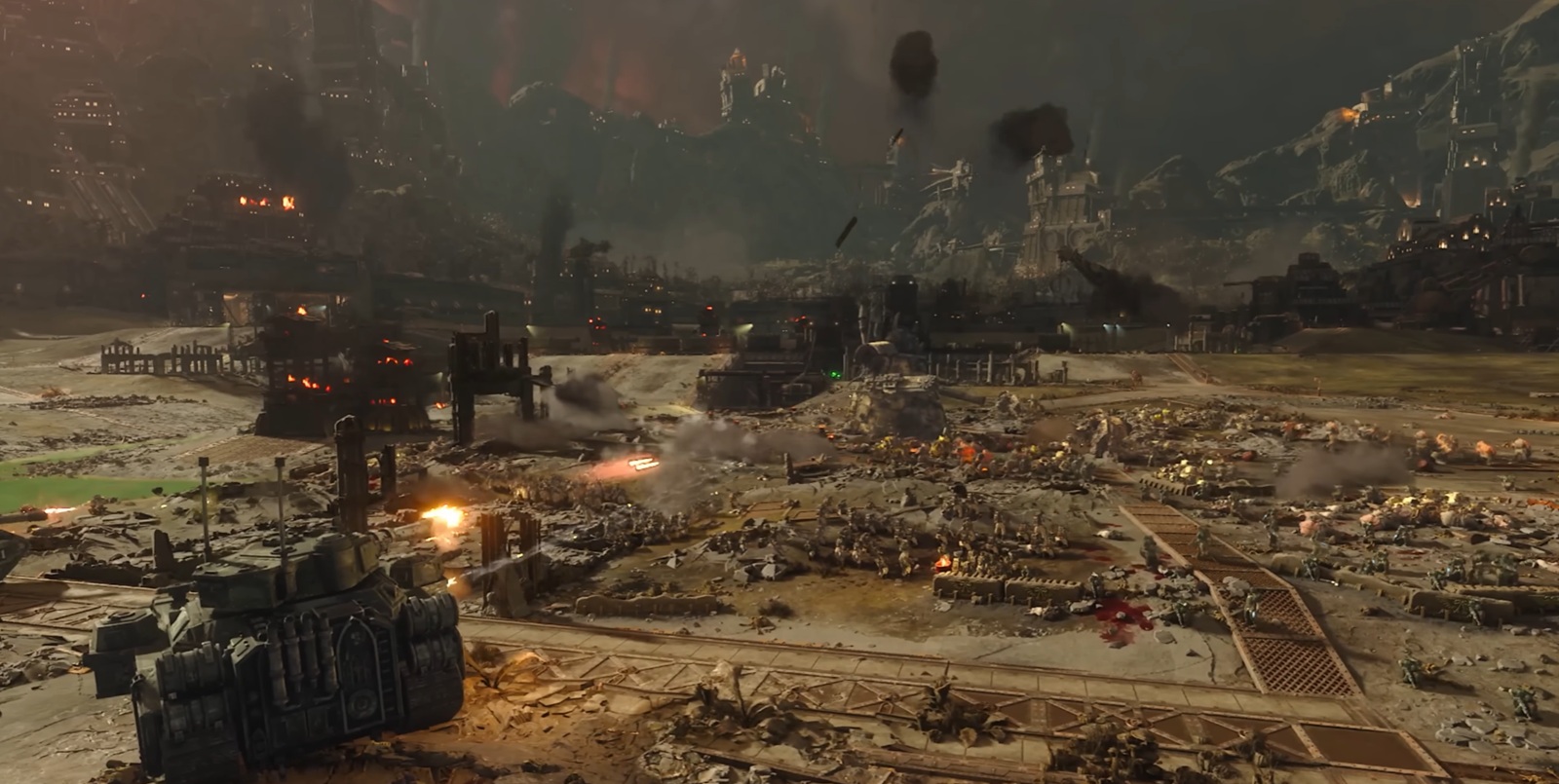
The Video Game Version: In many historical strategy games, battles are presented as highly organized affairs. Players move units in neat formations, lines of infantry, squares of pikemen, and wedges of cavalry across a clean, open battlefield. All under their tight control. The game’s camera offers a god’s-eye view, providing perfect situational awareness, and most of the time, units execute orders instantly and without fail. The flow of battle is a predictable series of charges, volleys, and counter-charges, flanks, with a clear front line that engages the enemy in an orderly, almost choreographed manner.
The Historical Reality: The reality of a historical battle was a maelstrom of noise, smoke, dust, and terror that could extend for miles. Of course, the employment of formations were the ideal, as it helped men position themselves safely and allowed for the commanders to direct the flow of battle as best as possible, but as soon as the fighting started, it was incredibly difficult to maintain the line and it often broke down into disorganized chaos that left them vulnerable to flanking charges from cavalry. Armies quickly realized this and went to great lengths to avoid this from happening by creating self-contained unit formations, with officers in charge of keeping discipline amongst the men, training them, and specifically leading them.
Why the Myth Persists: The organized line and perfect communication are fundamental to making a strategy game work, especially if you’re going for a more arcade experience like an Age of Empires, Total War: Napoleon, Imperial Glory, and what-have-you. A game that accurately simulated the chaos, lack of communication, and terror of a real battlefield could be frustrating and unplayable, as it would remove most of the player’s agency to impact the fight in any significant manner. Field of Glory II does a great job of striking a balance between the chaos of the battles and the necessity of having the player control the action, and if you’re curious about a great strategy game that tackles this myth properly, you need to give it a go. As soon as the fighting between two units starts, it can be quite hard for them to disengage, which also opens plenty of tactical opportunities, as in real life, that choice can also be an opportunity for a flanking maneuver.
4 – The Role Of Military Leaders Was To Fight Alongside Their Men
The Video Game Version: Many games place the player in the role of a high-ranking commander, king, or heroic warrior. In strategy games, a general is a powerful, singular unit that can turn the tide of a battle by directly engaging the enemy. In RPGs and action games, the player is often a military leader or a royal figure who leads the charge, personally fighting alongside the lowliest foot soldiers. This portrayal emphasizes personal bravery, direct action, and the inspirational power of a leader who is willing to get their hands dirty.
The Historical Reality: The reality of military leadership throughout most of history was far more focused on strategy, communication, and survival than on direct combat. A general’s primary role was not to fight, but to command. In fact, all over History we have plenty of examples of that not happening, with disastrous consequences. Kings and throne heirs dying and putting their country’s independence at risk (Sebastian of Portugal, I am looking at you!). Or World War 1 British Generals being told off to take care of themselves and avoid dying because over 200 of them were killed, wounded, or captured throughout the war, and the loss of their experience was disastrous for their formations, who now would be led by a less experienced officer. I’ll tackle World War 1 myths in a future article, but this is a fascinating myth in and of itself. The one where the common soldier died, where officers sit back and drink wine during the First World War.
Why the Myth Persists: However, I think that this myth is also a direct result of a desire for a compelling player-character. Every game needs a hero, and placing the player in a leadership role that also allows for direct, action-packed combat is an easy way to achieve that. It simplifies the complex role of a commander, and by being on the frontline, or giving the player the ability to do everything, it removes the need for detailed management of subordinates, and provides the player with a clear sense of purpose and power. The idea of a general sitting on a hill, sending out orders with a messenger, simply doesn’t make for an engaging or fun video game experience.



Leave a Reply